
A well-built coffee table anchors a living room in a way few other furniture pieces do — it’s where feet rest, where coffee mugs and books collect, and often the first thing people notice about a room’s style. Building one from solid coffee table plans lets you match your exact style and dimensions rather than settling for whatever fits a retail showroom floor plan.
This guide compares major coffee table styles, breaks down the proportions that make a table feel right in a room, and covers material and finish choices for a piece that gets daily use for years.
Why Proportions Matter More Than Style Here
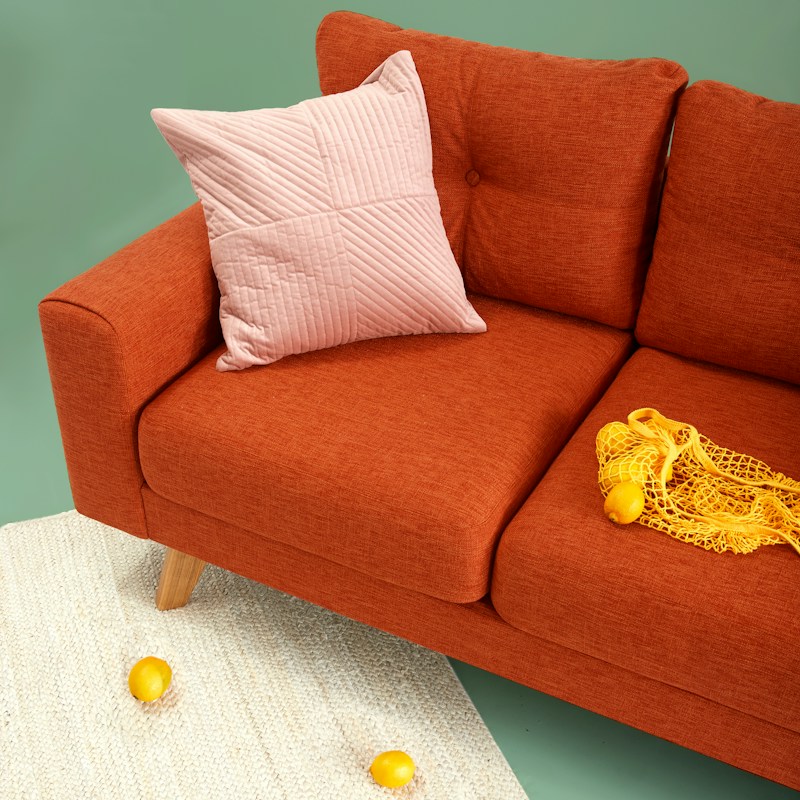
Unlike many furniture pieces, a coffee table’s success depends heavily on how it relates to the couch or chairs around it — get the height or size wrong and even a beautifully built table feels awkward in the room. This is worth planning before choosing a style, since the same design can feel perfect or off depending on the seating it pairs with.
Coffee Table Styles Compared
Simple Slab Table
Best for: Beginners, modern/minimalist rooms
Build difficulty: Beginner
Materials cost: $60–$150
Build time: 4–8 hours
A single thick tabletop on simple straight or angled legs. Minimal joinery, often just a tabletop attached to a leg frame with pocket screws or a simple apron. The most forgiving style for a first furniture build.
Farmhouse/Trestle Table
Best for: Traditional or rustic rooms, added storage shelf
Build difficulty: Intermediate
Materials cost: $90–$200
Build time: 10–16 hours
Features a lower shelf between trestle-style leg supports, adding storage for books or baskets. The trestle base requires more precise joinery than simple legs but adds significant visual character and structural rigidity.
Lift-Top Coffee Table
Best for: Small spaces, dual-purpose (dining/work surface)
Build difficulty: Advanced
Materials cost: $120–$250
Build time: 16–24 hours
The tabletop hinges and lifts to standard dining or laptop height, often with storage revealed underneath. Requires precise hinge and support mechanism work — the most technically demanding coffee table style, best attempted after building a simpler table first.
Proportions That Make a Table Feel Right
| Element | Recommended Spec | Why It Matters |
|---|---|---|
| Table height | Same height as, or 1–2″ lower than, sofa cushion | Taller tables feel awkward to reach across; much lower feels out of proportion |
| Distance from sofa | 14–18 inches | Close enough to reach comfortably, far enough to walk past without bumping shins |
| Length relative to sofa | About two-thirds the sofa’s length | A table too long or short relative to the sofa looks visually unbalanced |
| Tabletop thickness | 1–1.5 inches (solid wood) | Thinner tops can look flimsy for the table’s footprint; thicker adds unnecessary weight |
Material and Finish Choices
Solid hardwood (oak, walnut, maple): The premium choice — durable, ages well, and takes a range of finishes beautifully. Higher cost but a genuine heirloom-quality result.
Cabinet-grade plywood with edge banding: A strong middle ground — stable, resists warping, and costs significantly less than solid hardwood while still looking clean with proper edge treatment.
Reclaimed or rustic lumber: Popular for farmhouse-style tables, offering character and history that new lumber can’t replicate, though it requires more prep work to clean, de-nail, and stabilize before building.
Finish: A durable topcoat matters more here than on most furniture, since coffee tables take daily abuse from mugs, feet, and remote controls. Wipe-on polyurethane offers a good balance of protection and easy touch-up repair.
Common Coffee Table Building Mistakes
- Building without measuring the actual room: Plans that look right on paper can feel wrong in a specific room. Measure your sofa height and available space before finalizing dimensions.
- Underestimating daily wear: This surface gets more contact than almost any other furniture piece. Skimping on finish durability means refinishing sooner than expected.
- Ignoring wood movement in wide slab tops: A single wide slab top needs breadboard ends or properly designed attachment (like figure-8 fasteners) that allows seasonal expansion — rigidly screwing a wide top down often leads to cracking.
- Sharp corners in high-traffic rooms: Coffee tables are a common source of bumped shins. Rounding or chamfering edges is a small design choice that meaningfully improves everyday livability, especially with kids in the house.
A Table Built for Real Life
A coffee table built from proper coffee table plans earns its place in daily life fast — it’s furniture that gets used constantly, so getting the proportions and durability right matters more than it might seem at the planning stage. Start with the simple slab design if this is your first furniture build; the proportion lessons here carry over to nearly every table project after it.
For anyone wanting more detailed dimension templates and joinery diagrams across coffee table styles, Ted’s Woodworking includes several designs within its broader plan library.